Exploring the Rich Heritage of African Design Heritage
- Joel Mukalay

- Feb 18
- 4 min read
African design heritage offers a fascinating window into the continent's diverse cultures, histories, and innovations. As I delve into this subject, I find that the architectural styles across Africa are not only visually striking but also deeply symbolic and functional. This blog post explores the rich heritage of African architecture, highlighting its unique characteristics, historical significance, and contemporary relevance.
Understanding African Design Heritage
African design heritage encompasses a wide range of architectural styles that have evolved over centuries. These styles reflect the continent's varied climates, materials, and cultural practices. From the mud-brick structures of the Sahel to the stone buildings of East Africa, each region presents a distinct architectural identity.
One of the most remarkable aspects of African design heritage is its adaptability. Traditional African buildings often use locally sourced materials such as mud, wood, and stone. These materials are not only sustainable but also suited to the environment, providing natural insulation and ventilation.
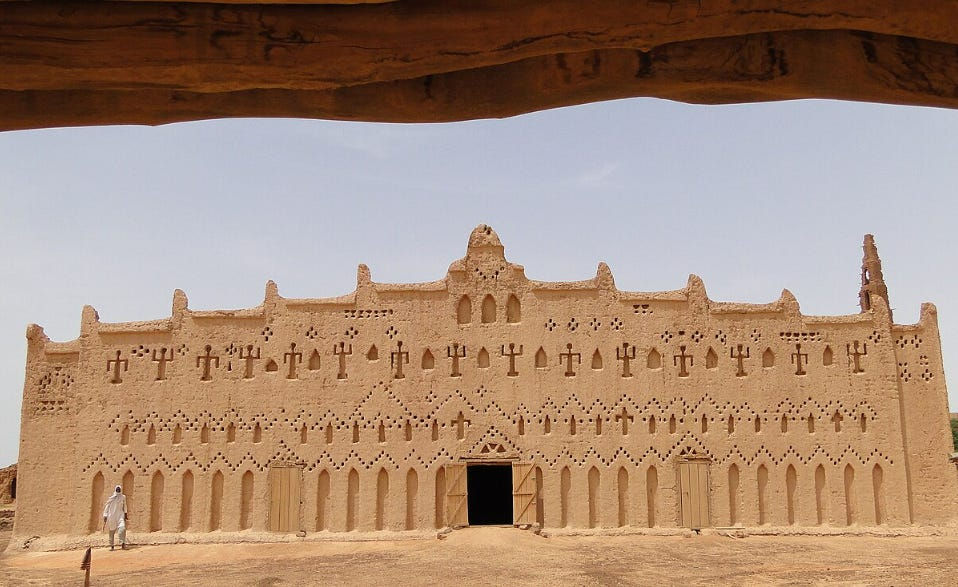
For example, the Great Mosque of Djenné in Mali is a masterpiece of Sudano-Sahelian architecture. Constructed from sun-baked mud bricks, it is the largest mud-brick building in the world. Its design includes wooden beams that protrude from the walls, serving both structural and decorative purposes. This mosque exemplifies how African design heritage combines practicality with aesthetic appeal.
Key Features of African Design Heritage
Several features distinguish African design heritage from other architectural traditions. These include:
Use of natural materials: African architects traditionally use materials like mud, thatch, stone, and wood. These materials are renewable and environmentally friendly.
Community-oriented layouts: Many African settlements are designed to foster social interaction. Circular compounds and communal courtyards are common.
Symbolism and decoration: Architecture often incorporates symbolic motifs and patterns that convey cultural meanings or spiritual beliefs.
Climate responsiveness: Buildings are designed to cope with local weather conditions, such as thick walls for insulation or elevated floors to avoid flooding.
In West Africa, the Yoruba people build compounds with intricately carved wooden doors and walls painted with symbolic patterns. These elements serve both decorative and communicative functions, telling stories or indicating social status.
In Southern Africa, the Ndebele people are known for their brightly painted geometric patterns on house exteriors. These designs are not only artistic expressions but also markers of identity and heritage.
What is Afrocentric Architecture?
Afrocentric architecture is a modern movement that seeks to reclaim and celebrate African cultural identity through design. It emphasizes the use of traditional African forms, materials, and philosophies in contemporary architecture. This approach challenges Western architectural norms and promotes a design language rooted in African experiences.
Afrocentric architecture often incorporates elements such as:
Curvilinear forms inspired by natural shapes
Earth-toned color palettes reflecting the landscape
Integration of indoor and outdoor spaces
Use of indigenous materials and craftsmanship
This style is gaining traction among architects and designers who want to create spaces that resonate with African heritage while addressing modern needs. For instance, some new public buildings and cultural centers in Africa blend traditional motifs with modern construction techniques, creating a dialogue between past and present.

Preserving and Promoting African Architectural Heritage
Preserving African architectural heritage is crucial for maintaining cultural identity and historical continuity. Many traditional buildings face threats from urbanization, neglect, and climate change. Efforts to document, restore, and adapt these structures are essential.
Here are some practical recommendations for preservation and promotion:
Documentation: Use digital tools like 3D scanning and photography to record architectural details.
Community involvement: Engage local communities in preservation projects to ensure cultural sensitivity and sustainability.
Education: Incorporate African architectural history into academic curricula and public awareness campaigns.
Adaptive reuse: Repurpose traditional buildings for modern functions without compromising their integrity.
Sustainable tourism: Promote heritage sites responsibly to generate economic benefits while protecting the sites.
Organizations and governments can collaborate with architects, historians, and local leaders to create policies that support these goals. Additionally, platforms like Terrafriq aim to be the go-to online spot for anyone interested in african architecture, sharing its rich history and future trends with a global audience.
The Future of African Design Heritage
The future of African design heritage lies in balancing tradition and innovation. As urbanization accelerates, architects face the challenge of integrating cultural values with modern infrastructure needs. Sustainable design practices that draw from traditional knowledge can offer solutions to environmental and social issues.
Emerging trends include:
Green architecture: Using natural ventilation, solar energy, and eco-friendly materials inspired by traditional methods.
Cultural fusion: Combining African motifs with global design trends to create unique hybrid styles.
Technological integration: Employing digital fabrication and smart building systems while respecting heritage aesthetics.
By embracing these trends, African design heritage can continue to evolve and inspire new generations. It is vital to support initiatives that document, celebrate, and innovate within this rich architectural tradition.
African architecture is more than just buildings; it is a living expression of culture, history, and identity. Exploring this heritage offers valuable insights and inspiration for architects, students, and cultural explorers alike.


Comments