Modern Ethiopian Architecture: Bridging Tradition and Innovation
- Joel Mukalay

- Dec 21, 2025
- 5 min read
Updated: Mar 14
Ethiopia’s architecture has long stood as one of Africa’s most profound cultural expressions. From the rock-hewn churches of Lalibela to the circular earthen dwellings of rural highlands, its built environment has always been inseparable from history, climate, and belief. Today, a new architectural language is emerging, one that does not abandon this legacy but carefully reworks it for a rapidly changing world.
Modern Ethiopian architecture is not about nostalgia. It is about continuity.

Tradition as Intelligence, Not Ornament
For centuries, Ethiopian architecture evolved through necessity. Thick earthen walls moderated temperature. Compact openings controlled light and heat. Courtyards organized social life and created microclimates. These were not stylistic choices but responses to environment and culture.
Contemporary Ethiopian architects are rediscovering this intelligence. Rather than replicating historic forms, they reinterpret their logic. Circular organization reappears as a spatial strategy. Earth construction returns through compressed soil blocks and stabilized materials. Passive cooling techniques resurface in modern housing, schools, and civic buildings.
The result is architecture that feels authentic without being frozen in time.

Addis Ababa as a Testing Ground
Addis Ababa has become the focal point of this architectural transformation. Rapid urban growth, infrastructure pressure, and global visibility demand new building typologies—offices, housing, cultural institutions. Yet within this growth, many architects are resisting generic international styles.
Instead of glass façades detached from climate and context, new projects reference Ethiopian patterns, rhythms, and textures. Stonework recalls Axumite traditions. Facades echo woven crafts. Internal courtyards provide light, ventilation, and communal space within dense urban blocks.
The city is becoming a laboratory where tradition and modernity are tested side by side.

Material Innovation Rooted in Place
One of the most powerful shifts in contemporary Ethiopian architecture is the renewed focus on local materials. Stone, earth, and timber, long associated with vernacular construction, are now paired with modern engineering and detailing.
Compressed earth blocks reduce carbon impact while maintaining thermal performance. Locally sourced stone anchors buildings to their landscapes. Even concrete is often treated with texture and depth, avoiding the smooth anonymity common in imported design models. This approach is not only aesthetic; it is economic, ecological, and cultural.

Space, Light, and the Spiritual Dimension
Ethiopian architecture has always understood space as something experienced, not merely occupied. Movement, light, shadow, and silence play essential roles, especially in religious structures.
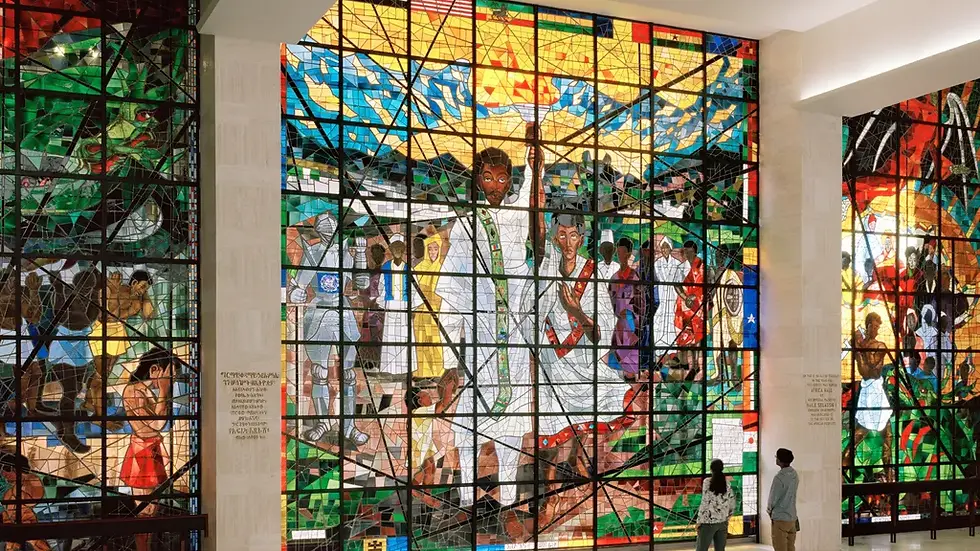
Contemporary architects are reintroducing these spatial qualities into modern programs. Museums, cultural centers, and public buildings now use procession, compression, and openness to shape experience. Light is filtered, not flooded. Architecture invites reflection rather than spectacle.
In a global era dominated by visual excess, this restraint feels intentional and deeply rooted.
A Confident New Generation
Many of today’s Ethiopian architects are globally educated, yet firmly grounded in local realities. They operate between Addis Ababa and the world, absorbing new technologies while questioning their relevance.
Digital tools coexist with ancestral knowledge. Sustainability metrics align with centuries-old climate wisdom. This balance allows Ethiopian architecture to speak globally without losing its voice.

Why This Architecture Matters
As cities worldwide confront climate challenges and cultural erasure, Ethiopia offers a compelling alternative. Its contemporary architecture demonstrates that progress does not require abandoning identity. Instead, identity can become the foundation for innovation.
Modern Ethiopian architecture is not imitating the future. It is shaping it, quietly, confidently, and with deep respect for where it began.
The Future of Ethiopian Architecture
Looking ahead, the future of Ethiopian architecture appears bright. As more architects embrace local materials and sustainable practices, the built environment will reflect the unique cultural heritage of Ethiopia. This evolution will not only preserve the past but also pave the way for innovative solutions to contemporary challenges.
Embracing Sustainability
Sustainability is becoming a cornerstone of Ethiopian architecture. Architects are increasingly prioritizing eco-friendly materials and energy-efficient designs. This shift not only benefits the environment but also enhances the quality of life for residents. By integrating nature into urban spaces, architects create harmonious living environments that respect the land.
Cultural Significance
The cultural significance of Ethiopian architecture cannot be overstated. Each building tells a story, reflecting the values and traditions of its people. As architects continue to draw inspiration from their heritage, they contribute to a richer narrative that connects past, present, and future. This cultural continuity fosters a sense of pride and identity within communities.
Global Influence
Ethiopian architecture is gaining recognition on the global stage. As architects showcase their work internationally, they inspire others to explore the intersection of tradition and modernity. This exchange of ideas enriches the architectural discourse, allowing for a broader understanding of design principles and practices.
Conclusion
In conclusion, Ethiopian architecture stands at a pivotal moment. It is a testament to resilience, creativity, and cultural pride. By embracing both tradition and innovation, architects are crafting a future that honors the past while addressing contemporary needs. As this architectural journey unfolds, it will undoubtedly leave a lasting impact on the world stage.
Modern Ethiopian architecture is not just a reflection of its rich history; it is a beacon of hope for the future.
Exploring the Intersection of Tradition and Modernity
The dialogue between tradition and modernity is crucial in Ethiopian architecture. This interplay shapes not only the physical structures but also the cultural identity of the nation. As architects navigate this complex landscape, they must balance respect for historical practices with the demands of contemporary life.
The Role of Education in Architectural Evolution
Education plays a vital role in the evolution of Ethiopian architecture. Universities and institutions are increasingly focusing on sustainable design principles. They encourage students to explore local materials and techniques. This educational shift equips the next generation of architects with the tools they need to innovate while honoring their heritage.
Community Engagement in Design
Community engagement is essential in the architectural process. Architects are increasingly involving local communities in design decisions. This collaboration ensures that buildings meet the needs of those who will use them. By fostering a sense of ownership, architects create spaces that resonate with the people they serve.
The Impact of Technology on Design
Technology is transforming the architectural landscape in Ethiopia. Digital tools enable architects to experiment with new forms and materials. They can simulate environmental impacts and optimize designs for energy efficiency. This technological integration enhances the ability to create sustainable, context-sensitive architecture.
Conclusion: A Bright Future Ahead
In summary, Ethiopian architecture is at a transformative juncture. By embracing sustainability, cultural significance, and technological advancements, architects are crafting a future that is both innovative and respectful of the past. This journey reflects a broader narrative of resilience and identity, positioning Ethiopian architecture as a vital contributor to the global architectural discourse.
Modern Ethiopian architecture is not just a reflection of its rich history; it is a beacon of hope for the future.


Comments